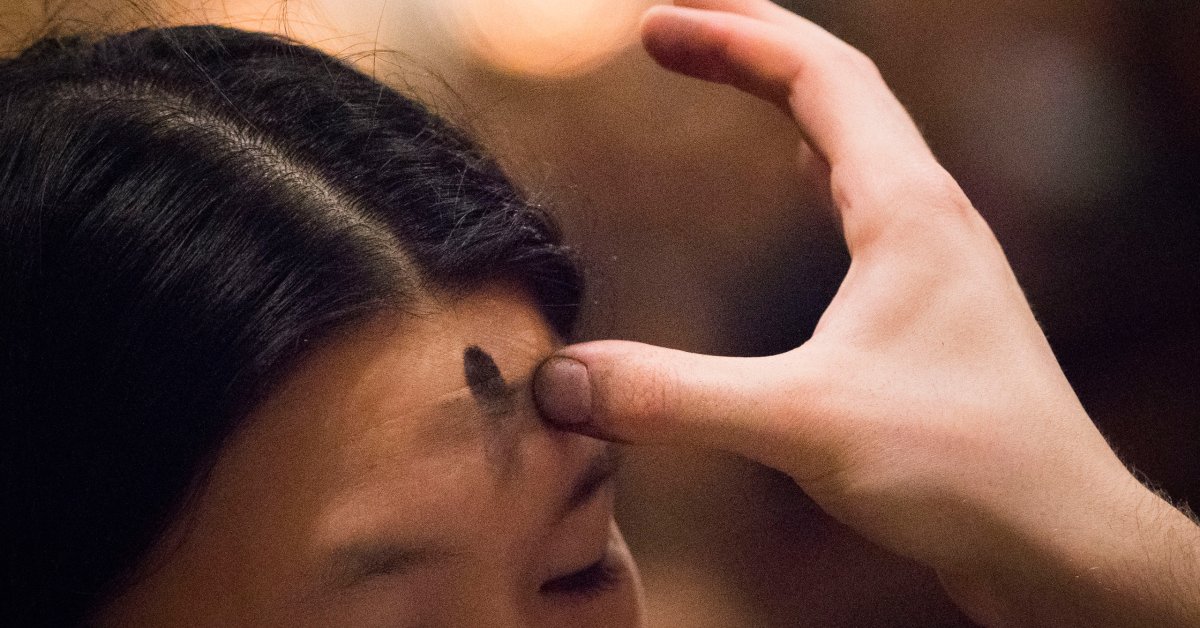
When we think of saints like Padre Pio of Pietrelcina and Francis of Assisi, we think of the stigmata which were a manifestation in the flesh of these saints of the sacrificial mercy of Jesus realized in a very high way in them. But each and every one of us is also called to bear the marks of Christ in our body and soul. The stigmata by which we, as ordinary Christians, manifest the sacrificial mercy of Christ in the flesh is our compassion for those who suffer, our joyful readiness to bear suffering ourselves, and our joyful readiness to come to the service of others in need.

We are called to bear the wounds of Christ by suffering with him. Although Christ’s death on the cross was final, his redemptive suffering is ongoing. St. Paul (Romans 6:10-13) makes clear that the death of Christ was once for all, perfect in fulfilling its purpose: “For we know that since Christ was raised from the dead, he cannot die again; death no longer has mastery over him. The death he died, he died to sin once for all. . .” But we also know that Jesus’ redemptive suffering continues vicariously through us and all who suffer across the ages. When Jesus invites us take up our cross daily to follow him (Matthew 16:24-26), he invites us to share in his ongoing redemptive suffering for sin as a way of participating in his evangelical mission of drawing souls to his Father as adopted children and heirs of God (Romans 8:17): “The Spirit itself bears witness with our spirit that we are children of God . . . and fellow heirs with Christ, if only we suffer with him so that we may also be glorified with him.” But, we are assured that bearing the wounds of Christ, suffering with him, comes with the redemptive power of the resurrection (Philippians 3:10): “. . .that I may know Him and the power of His resurrection and the fellowship of His sufferings, being conformed to His death. . .” “Therefore I am well content with weaknesses, with insults, with distresses, with persecutions, with difficulties, for Christ’s sake; for when I am weak, then I am strong.” (2 Corinthians 12:10)
Jesus suffers vicariously through us in all of our sufferings and in the sufferings of all those who suffer in the world. Henri Nouwen articulated this mystery so profoundly when he said:
Jesus suffers vicariously through us in all of our sufferings and in the sufferings of all those who suffer in the world. Henri Nouwen articulated this mystery so profoundly when he said:
“We have come to the inner knowledge that the agony of the world is God’s agony. The agony of women, men and children during the ages reveals to us the inexhaustible depth of God’s agony that we glimpsed in the garden of Gethsemane. The deepest meaning of human history is the gradual unfolding of the suffering of Christ. As long as there is human history, the story of Christ’s suffering has not yet been fully told. Every time we hear more about the way human beings are in pain, we come to know more about the immensity of God’s love, who did not want to exclude anything human from his experience of being God. God indeed is Yahweh Rachamin, the God who carries his suffering people in his womb, with the intimacy and care of a mother. This is what Blaise Pascal alluded to when he wrote that Christ is in agony until the end of time. The more we try to enter into this mystery the more we will come to see the suffering world as a world hidden in God.” (Christ of the Americas)
This is why St. Teresa of Calcutta invites us to see in the poor, and in all those who are suffering, Christ on the cross saying “I thirst,” and invites us to satisfy that thirst through deeds of love. Our sacrificial works of charity are not carried out in order to get us into heaven, but they are the means by which heaven gets into us who are members of that “suffering world hidden in God”. Our works of charity guarantee that our heart dwells in heaven even while our body and mind dwell on earth engaged in the business of the world.
The prophet Isaiah (Isaiah 9:11, 16, 20; 10:4) repeats the phrase: “. . .and his hand is still outstretched!” In this passage, Isaiah expressed the punishing - the wounding effect - of his outstretched arm, but he adds elsewhere with great emphasis that the ultimate effect of his outstretched arm is healing and forgiveness and mercy. In Old Testament times, the Lord stretched out his arm with a punitive effect toward the sinner in order to gain mercy for the most vulnerable and suffering - for the widow, the orphan and the stranger - while at the same time humbling the sinner so that he would become open to the redemptive mercy of the Lord. Likewise, in New Testament times, Jesus stretches out his arm to us, inviting us to take up our cross in self-sacrifice for the sake of others, especially the suffering and needy, inviting us to take up our cross daily to follow him, bearing his wounds in our body and soul, interceding with him to the Father, to gain mercy for the poor and downtrodden, while, at the same time, his same outstretched arm provides strength and healing to our own sinful soul, humbling our hearts in preparation for receiving his redemptive mercy.
After his resurrection Jesus stretched out his arm so that Thomas and the other apostles could touch his wounds now glorified. Jesus did not not say to Thomas, “Touch my side.” No. Jesus said to Thomas, “Put your hand into my side.” He wanted Thomas to do more than touch his wounds. He wanted Thomas to touch his heart, and thereby to touch the heart of God. Jesus invites us daily, also, to put our hand into the wound in his side, to touch his heart, so as to touch the very heart of God, and thereby to become channels of the excruciating love that flows from the heart of so loving a Father, through the heart of Jesus, flowing through his wounded side. The wounds of Jesus are an opening in creation to the heart of God. They are an opening to touch the heart of Jesus, and thereby to touch the heart of God.
The prophet Isaiah (Isaiah 9:11, 16, 20; 10:4) repeats the phrase: “. . .and his hand is still outstretched!” In this passage, Isaiah expressed the punishing - the wounding effect - of his outstretched arm, but he adds elsewhere with great emphasis that the ultimate effect of his outstretched arm is healing and forgiveness and mercy. In Old Testament times, the Lord stretched out his arm with a punitive effect toward the sinner in order to gain mercy for the most vulnerable and suffering - for the widow, the orphan and the stranger - while at the same time humbling the sinner so that he would become open to the redemptive mercy of the Lord. Likewise, in New Testament times, Jesus stretches out his arm to us, inviting us to take up our cross in self-sacrifice for the sake of others, especially the suffering and needy, inviting us to take up our cross daily to follow him, bearing his wounds in our body and soul, interceding with him to the Father, to gain mercy for the poor and downtrodden, while, at the same time, his same outstretched arm provides strength and healing to our own sinful soul, humbling our hearts in preparation for receiving his redemptive mercy.
After his resurrection Jesus stretched out his arm so that Thomas and the other apostles could touch his wounds now glorified. Jesus did not not say to Thomas, “Touch my side.” No. Jesus said to Thomas, “Put your hand into my side.” He wanted Thomas to do more than touch his wounds. He wanted Thomas to touch his heart, and thereby to touch the heart of God. Jesus invites us daily, also, to put our hand into the wound in his side, to touch his heart, so as to touch the very heart of God, and thereby to become channels of the excruciating love that flows from the heart of so loving a Father, through the heart of Jesus, flowing through his wounded side. The wounds of Jesus are an opening in creation to the heart of God. They are an opening to touch the heart of Jesus, and thereby to touch the heart of God.
The wound in Jesus' side is an opening to a most intimate heart-touching-heart relationship between God and human beings. Whenever I put my hand into the side of Christ, reaching with the hand of charity, to touch his heart, the water and blood of grace and mercy flow through me into the world. In contemplating the wounds of Christ, I can see how, with a lance, a human being opened up the passageway between time and eternity; how, with a lance, a human being pierced the divine heart of love, piercing the heart of a man nailed to a cross, that the water of divine holiness and the blood of divine goodness and love may flow forth from the divine heart of love of the Father, through the wound in the heart of a human being, into men and women to sanctify them, to quicken them with true and eternal life.
It is in this way that Jesus invites us, with outstretched arms, to touch his wounds, so that we may be healed and that we may offer his healing touch to others. Like the apostles, I feel the wounding of the Lord’s outstretched arm as I take up my cross in order to, as St. Paul said, “fill up in [my own] flesh what is lacking in the afflictions of Christ on behalf of his body, which is the Church.” (Colossians 1:24) And it is thus that I, like St. Paul and the other apostles, bear the marks of Jesus on my body.” It is thus that I become a channel for the healing flood of grace and mercy which flows forth from his glorified wounds to flow into the world. Whenever I perform an act of mercy, a self-sacrificial deed of charity, an act of forgiveness, I touch the wounds of Christ, and I gain the healing grace that pours forth from his wounds not only for myself, but for others as well, because I am in that moment an earthbound channel of the heavenly channel of his wounds. Thus, every person who is living a truly evangelical life bears the marks of Christ in his/her body and soul, and bears the evangelical message, also forecast by Isaiah (9:1-2): “The people who walked in darkness have seen a great light; Upon those who lived in a land of gloom a light has shone." You have brought them abundant joy and great rejoicing. The suffering of the cross, of the wounds, is not for suffering’s sake, but for the channeling of mercy into the world.
Because of the power of the resurrection in the wounds of Christ which we bear through our suffering, we are able to embrace great suffering because this suffering, joined to the wounds of Christ Crucified, can now serve for us as a vehicle of contemplation: a vehicle of the contemplation of the profound compassion and faithful mercy of God the loving Father, expressed through his incarnate Word, who embraced death on the cross as an expression of excruciating love. In our own suffering, we contemplate the wounds of Christ, to see how Jesus was pierced with sorrow and deep compassion for the sins which keep souls from being open to God’s love, and we ourselves become pierced with Christ with that same sorrow for sin and deep compassion for souls.
It is in this way that Jesus invites us, with outstretched arms, to touch his wounds, so that we may be healed and that we may offer his healing touch to others. Like the apostles, I feel the wounding of the Lord’s outstretched arm as I take up my cross in order to, as St. Paul said, “fill up in [my own] flesh what is lacking in the afflictions of Christ on behalf of his body, which is the Church.” (Colossians 1:24) And it is thus that I, like St. Paul and the other apostles, bear the marks of Jesus on my body.” It is thus that I become a channel for the healing flood of grace and mercy which flows forth from his glorified wounds to flow into the world. Whenever I perform an act of mercy, a self-sacrificial deed of charity, an act of forgiveness, I touch the wounds of Christ, and I gain the healing grace that pours forth from his wounds not only for myself, but for others as well, because I am in that moment an earthbound channel of the heavenly channel of his wounds. Thus, every person who is living a truly evangelical life bears the marks of Christ in his/her body and soul, and bears the evangelical message, also forecast by Isaiah (9:1-2): “The people who walked in darkness have seen a great light; Upon those who lived in a land of gloom a light has shone." You have brought them abundant joy and great rejoicing. The suffering of the cross, of the wounds, is not for suffering’s sake, but for the channeling of mercy into the world.
Because of the power of the resurrection in the wounds of Christ which we bear through our suffering, we are able to embrace great suffering because this suffering, joined to the wounds of Christ Crucified, can now serve for us as a vehicle of contemplation: a vehicle of the contemplation of the profound compassion and faithful mercy of God the loving Father, expressed through his incarnate Word, who embraced death on the cross as an expression of excruciating love. In our own suffering, we contemplate the wounds of Christ, to see how Jesus was pierced with sorrow and deep compassion for the sins which keep souls from being open to God’s love, and we ourselves become pierced with Christ with that same sorrow for sin and deep compassion for souls.